

Ancient rock paintings recorded scenes of life with simple lines. Looking back today, they feel like one of humanity's earliest forms of visual expression and information storage.
From ancient imagery to the Industrial Revolution, and from digital networks to intelligent factories, the way humans manufacture has continually been reshaped by imagination, tools, and data. 3D printing is turning three-dimensional data directly into real production capability.
Ancient rock paintings recorded scenes of life with simple lines. Looking back today, they feel like one of humanity's earliest forms of visual expression and information storage.
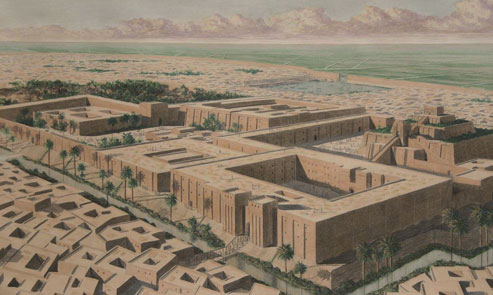
Futurists often describe civilization as a sequence of waves: agriculture, industry, and information technology, each shortening the cycle of change.
Each wave arrived faster than the one before it, reshaping not only manufacturing but also the way societies organize work and knowledge.
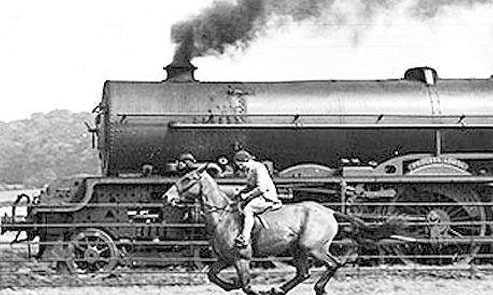
Machinery, steam power, and transportation systems changed the rhythm of production and disrupted older social, ethical, religious, and technical orders.
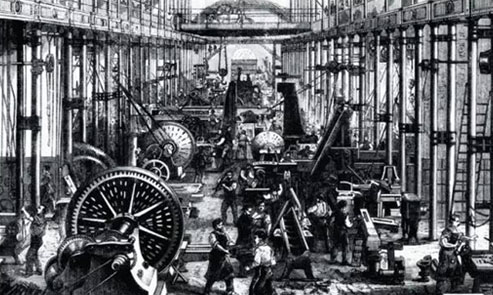
From stored-program architecture to the birth of true computers, branches of technology have continued to expand, while interdisciplinary research has opened new possibilities.
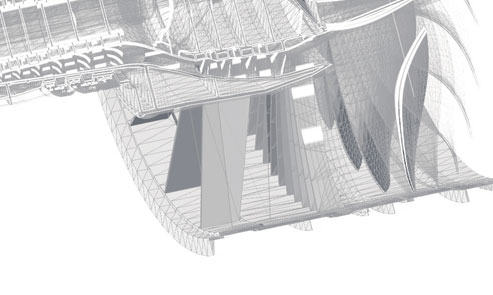
Networks, data, and computing power rapidly connected different fields, bringing a denser burst of theoretical research and applied technologies.

In the 21st century, it met digital tools and three-dimensional data. Additive manufacturing builds parts through discrete material accumulation driven by model data.
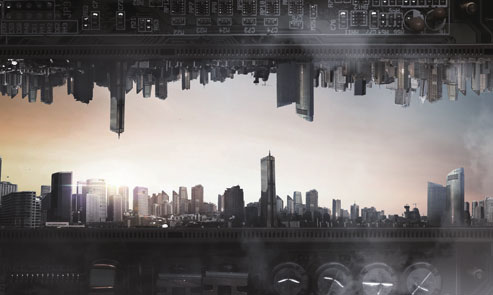
Rapid prototyping expands the meaning of "replication." It does not only copy products; it also helps ideas, structures, and functions enter validation faster.
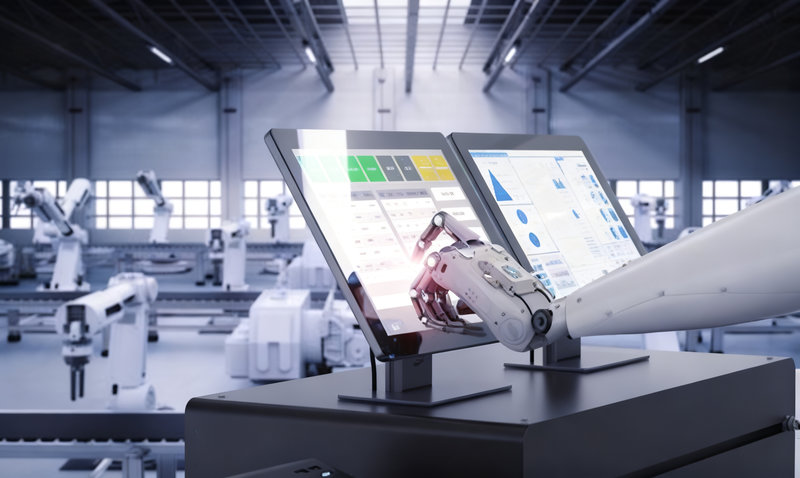
Digital applications, massive model libraries, and network collaboration give 3D printing a practical foundation for remote manufacturing and distributed production.
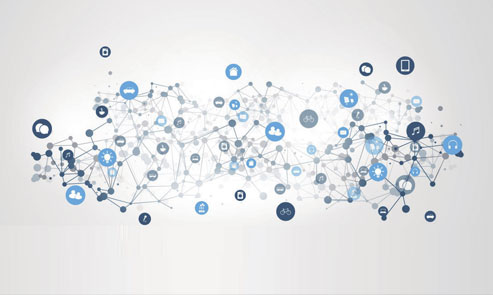
Future factories may become quieter, more automated, and more data-driven, with order intake, intelligent design, scheduling, production, and delivery connected in one system.
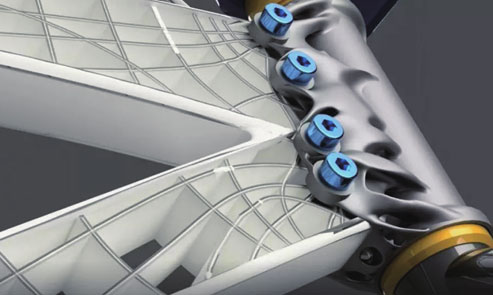
AI will take part in design, business, production, and logistics. 5G gives remote manufacturing and cloud services a more stable data channel.
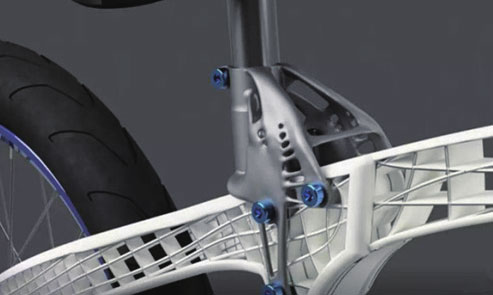
Industrial 3D printing lowers the threshold for customized manufacturing, bringing single-piece, small-batch, and personalized products closer to scalable production economics.
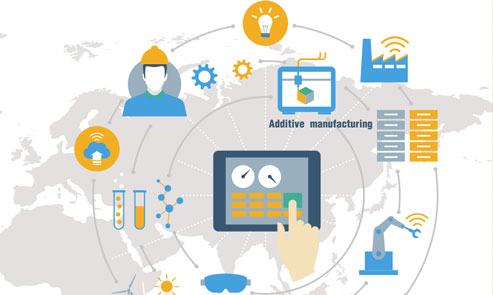
Law, intellectual property, business models, medical ethics, and social responsibility all need to be reconsidered as new manufacturing capabilities emerge.
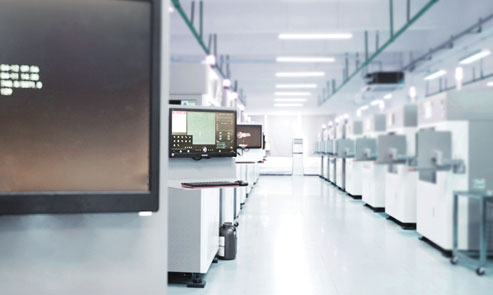
High flexibility, direct CAD-driven production, stable cost logic, and automation potential make 3D printing an important path toward intelligent manufacturing.
Upload your CAD file and share finish requirements such as color, coating, texture, or marking. We will review the details and help you move from prototype to production.