
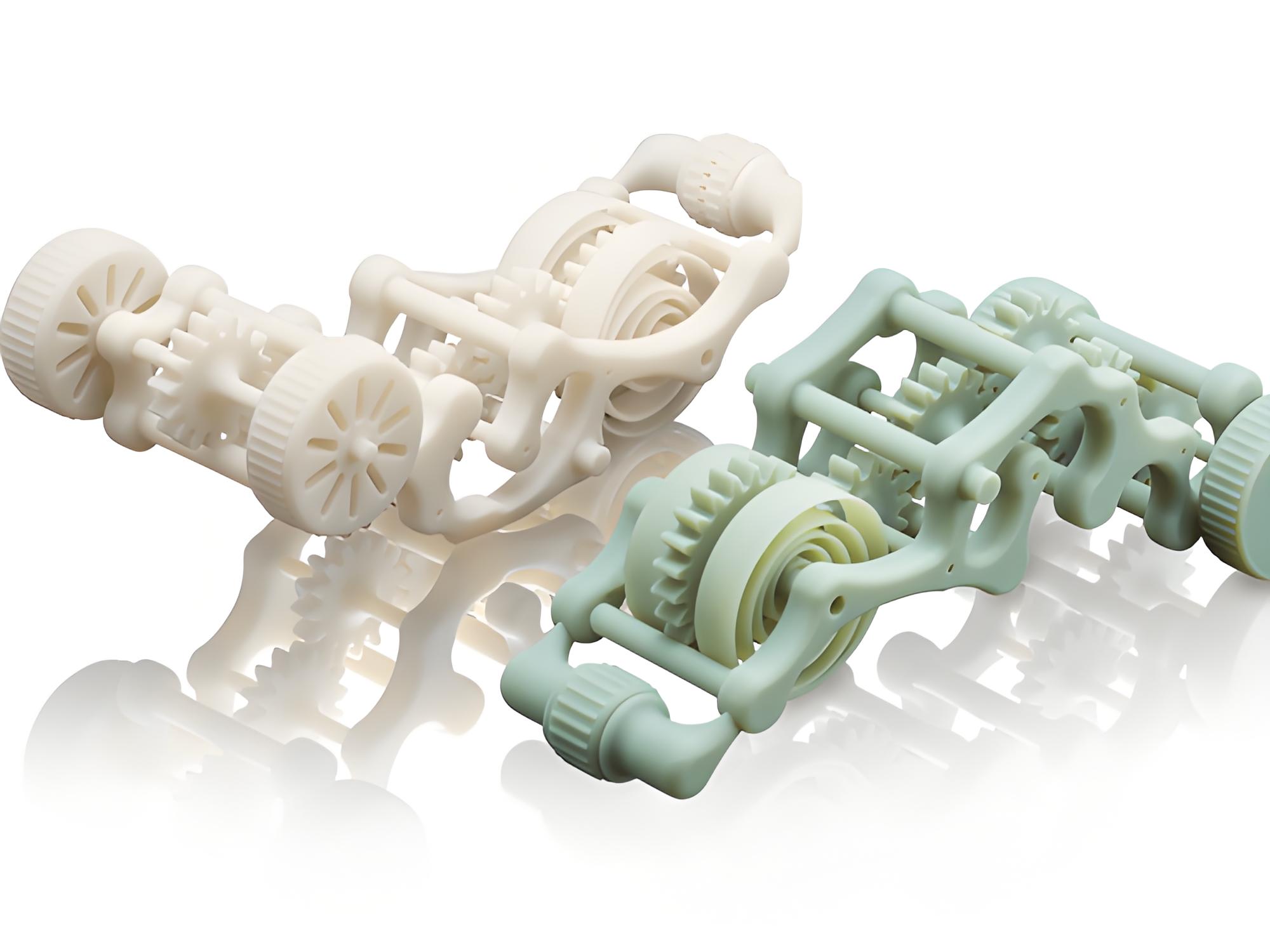
ABS and ASA
ABS and ASA are commonly used for durable prototypes, visual models, outdoor-exposed parts, and practical design iterations that need balanced cost and function.
FDM platforms support a broad thermoplastic portfolio that ranges from general-purpose ABS and ASA to nylon composites, PEI materials such as ULTEM, and high-performance polymers for demanding environments.
ABS and ASA are commonly used for durable prototypes, visual models, outdoor-exposed parts, and practical design iterations that need balanced cost and function.
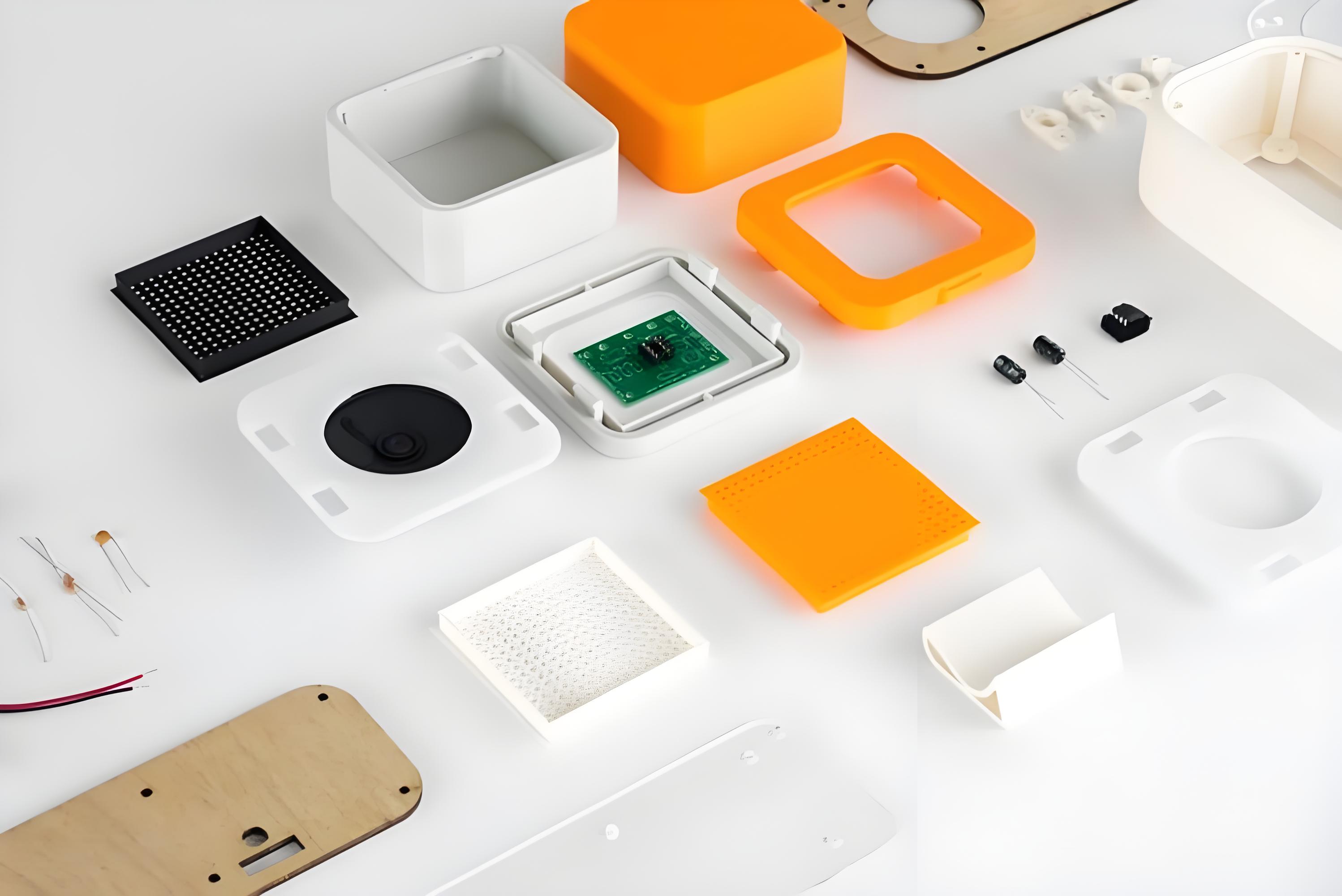
Nylon-based FDM materials and reinforced composites are often selected for fixtures, stronger functional prototypes, and applications that benefit from improved stiffness.
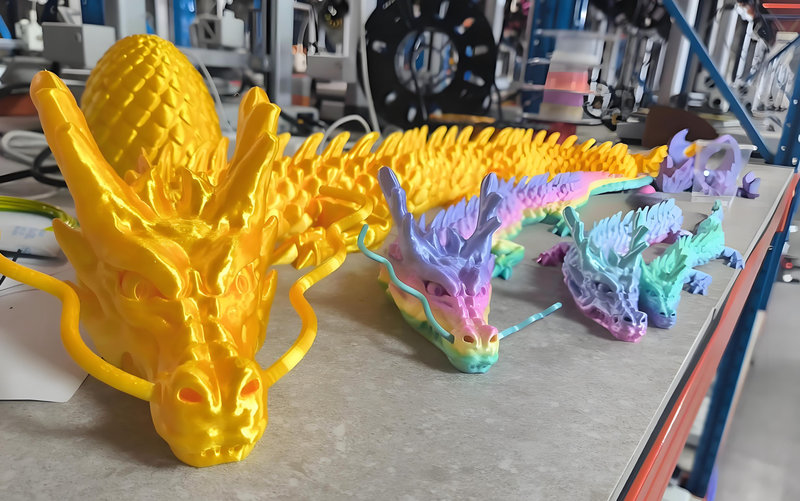
Engineering-grade blends support parts that need greater toughness, heat performance, or more reliable handling during shop-floor and end-use evaluation.
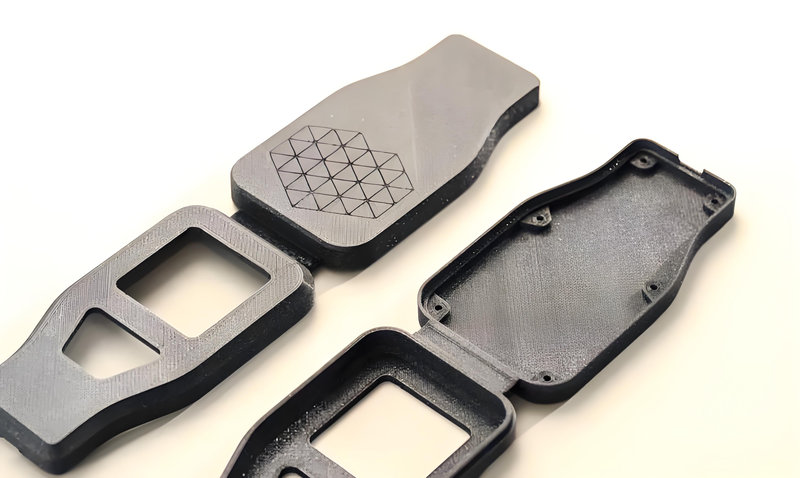
High-performance PEI materials such as ULTEM are commonly reviewed for aerospace, tooling, and environments where flame, heat, or chemical performance matters.
FDM material options include ABS and ASA families for durable prototypes, visual models, and practical shop-floor parts.
Reinforced nylons, carbon-fiber materials, PEI-grade polymers, and high-performance polymer families support tooling, heat resistance, and chemical-resistance applications.
Material choice should reflect the prototype's job: concept verification, fixture durability, ESD needs, flame performance, or higher-temperature service. Print size and cost targets also matter.
Upload your CAD files or share your material and size requirements. We will help you compare FDM material options for durable prototypes, tools, and low-volume production parts.