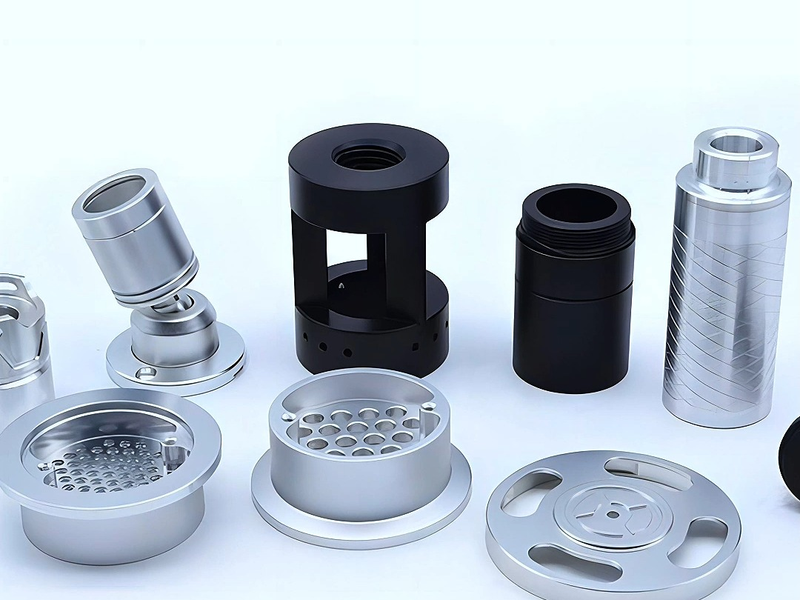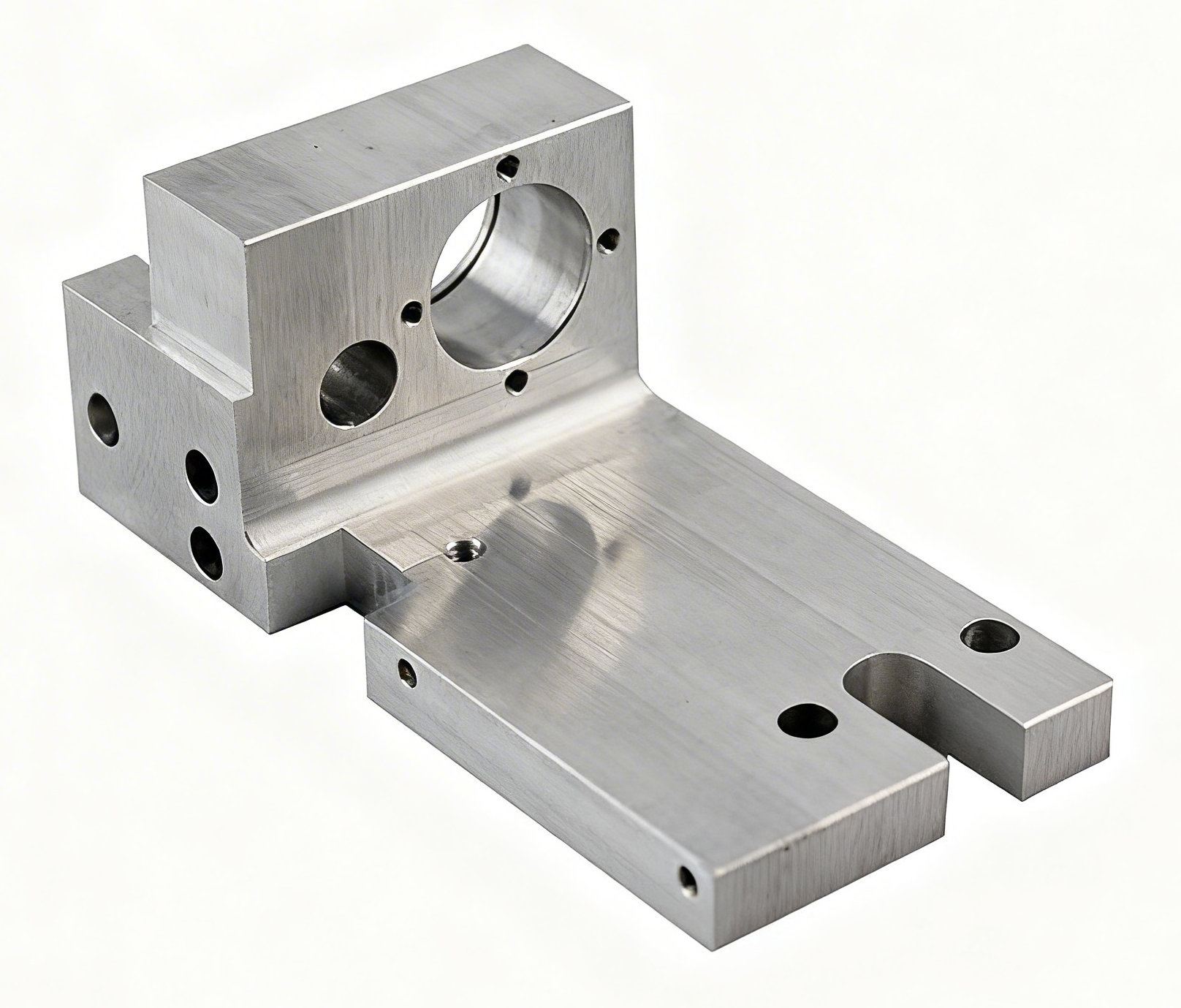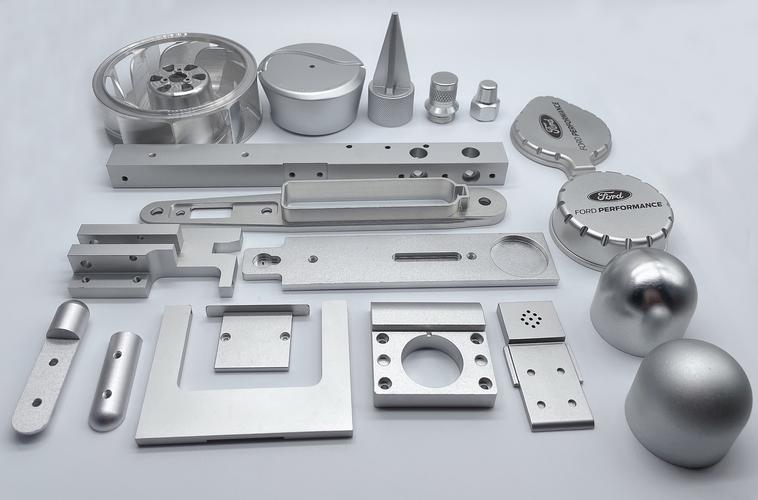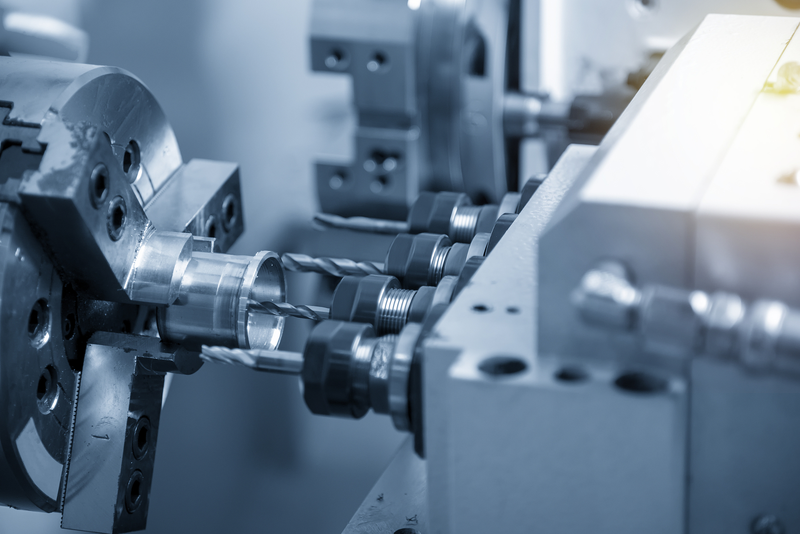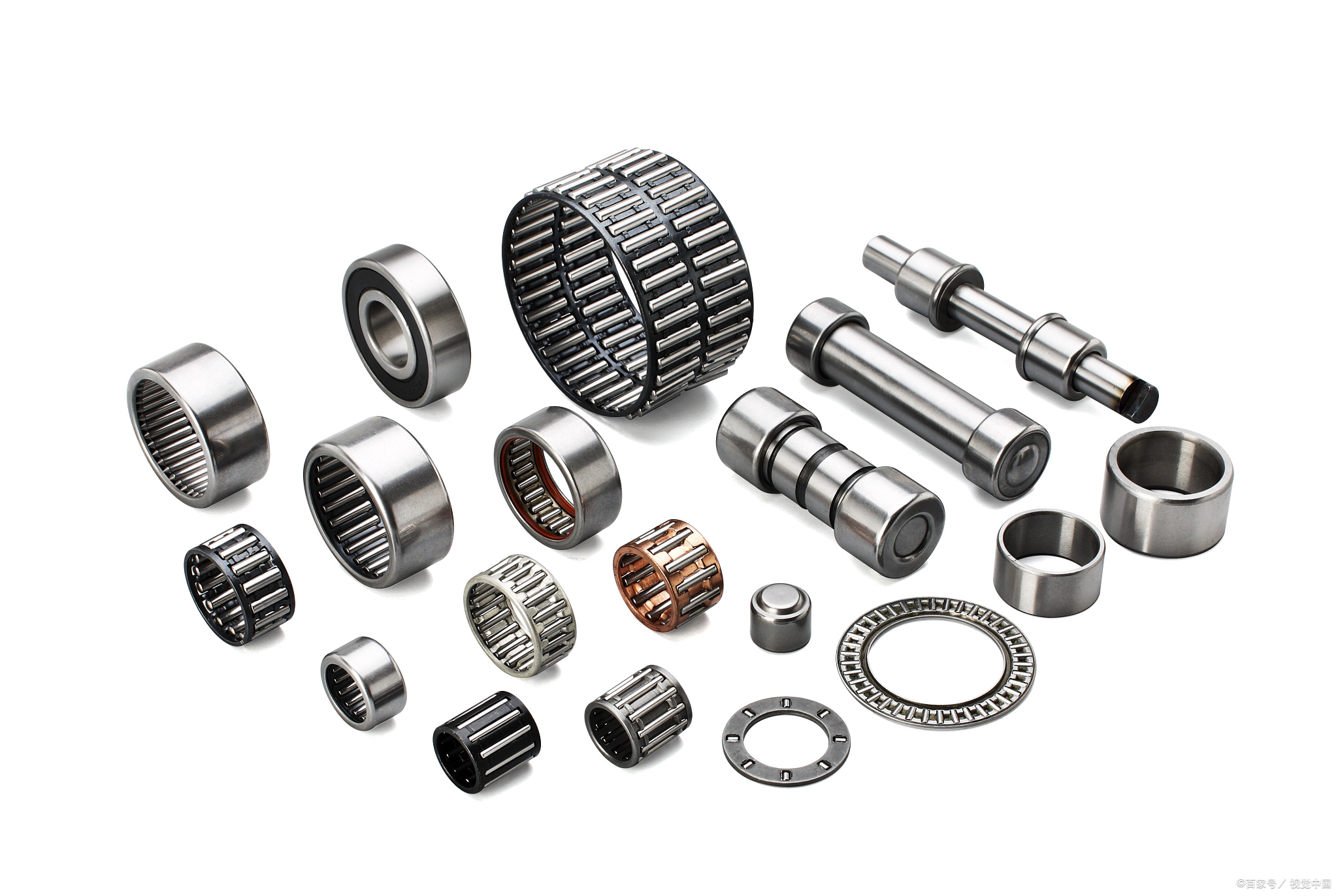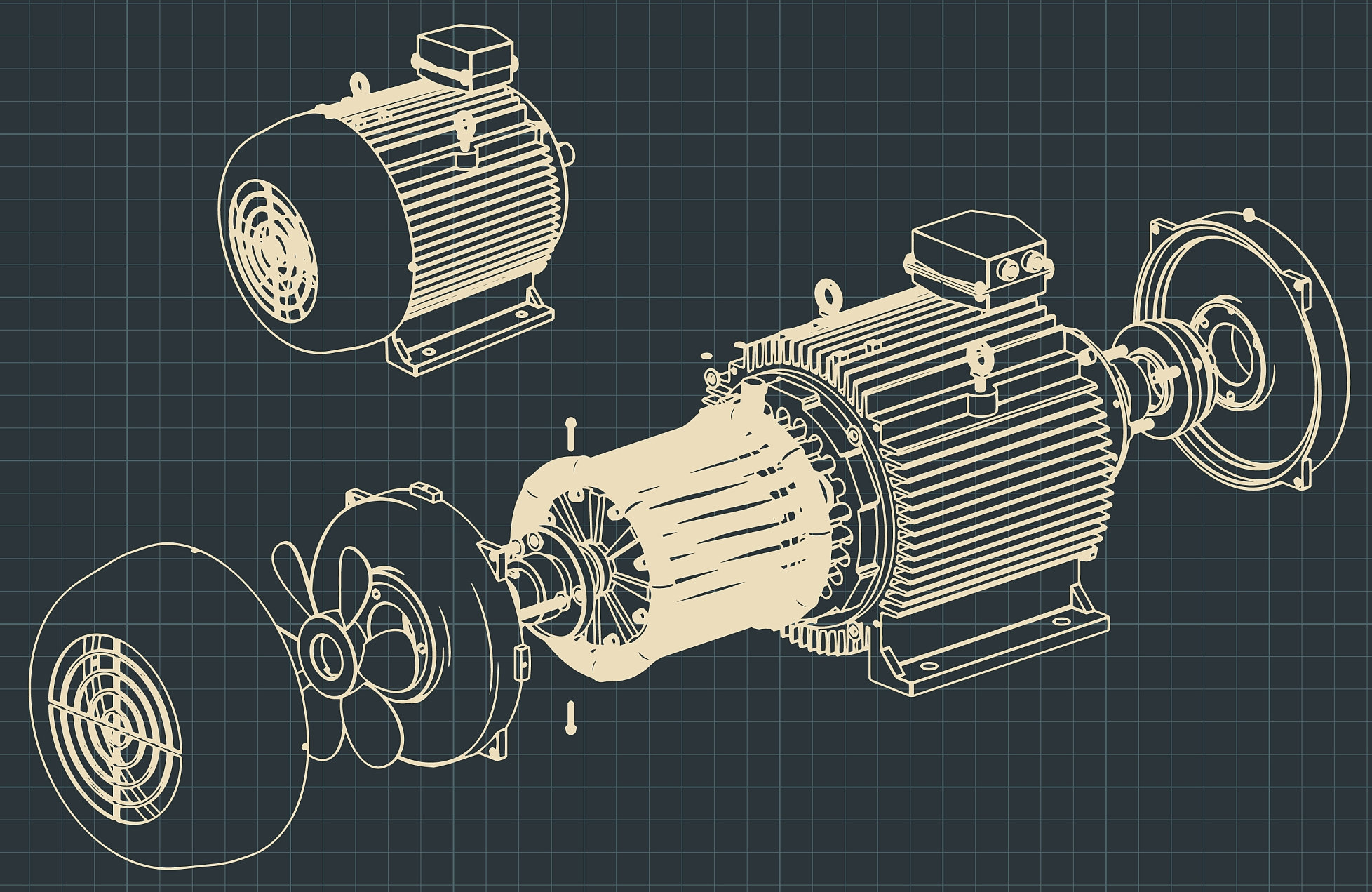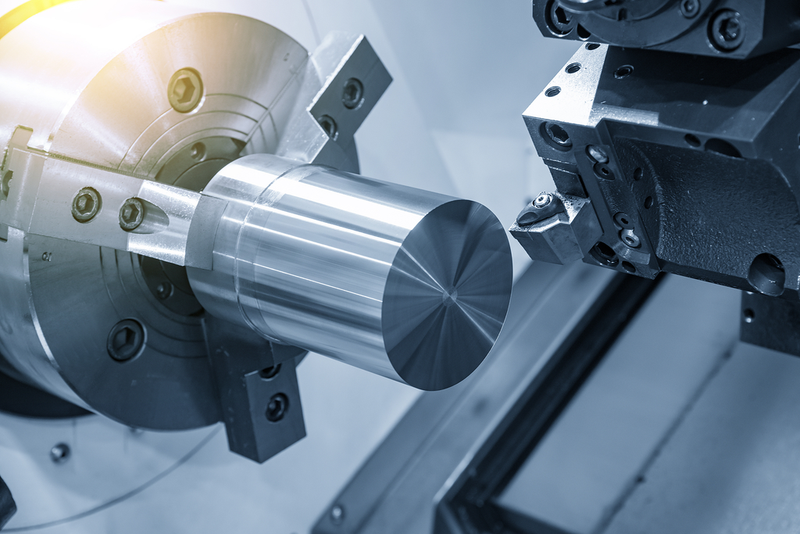
This local CNC materials catalog recreates the comparison workflow with original implementation and rewritten summaries. Use it to screen plastics and metals before finalizing geometry, tolerance, finish, and production requirements.
ABS is a dependable entry-point machining plastic for housings, covers, and utility parts that need good impact resistance at cost-conscious pricing.
Flame-retardant ABS is chosen for electrical housings and interior components where machinability and improved flammability performance both matter.
Glass-filled acetal boosts stiffness and dimensional control for more demanding mechanical parts while keeping acetal's low-friction character.
Acetal copolymer is a common CNC plastic for low-friction, tight-tolerance components such as gears, slides, and precision utility parts.
Homopolymer acetal is selected when slightly higher stiffness, hardness, and fatigue performance are preferred over broader chemical resistance.
CPVC is commonly machined for chemical process equipment, fluid handling, and industrial utility hardware that needs better temperature performance than standard PVC.
HDPE is used for low-cost chemical-contact and moisture-resistant parts where durability and machinability matter more than stiffness.
Nylon 6 is a strong, wear-resistant machining plastic for mechanical parts that need toughness and repeated-use performance.
Glass-filled nylon increases rigidity and heat performance for structural components that see higher loading than unfilled nylon can comfortably handle.
Polycarbonate is chosen when high impact strength, transparency, and good dimensional stability are all important in one machined part.
PEEK is a premium CNC plastic for high-temperature, chemically aggressive, or high-purity applications where demanding performance justifies the cost.
ULTEM 1000 is a high-temperature machining plastic often selected for electrical, aerospace, and instrumentation parts that need stiffness and flame performance.
6061 aluminum is the default CNC metal choice for lightweight structural parts, prototypes, fixtures, and housings because it balances machinability, strength, and cost.
303 stainless is widely used for machined parts that need corrosion resistance with better machinability than tougher stainless grades.
Share part size, finish goals, and performance targets. We can point you toward the most practical 3D printing material family before quoting.