New arrow_forward

Metal 3D Printing for Commercial Space

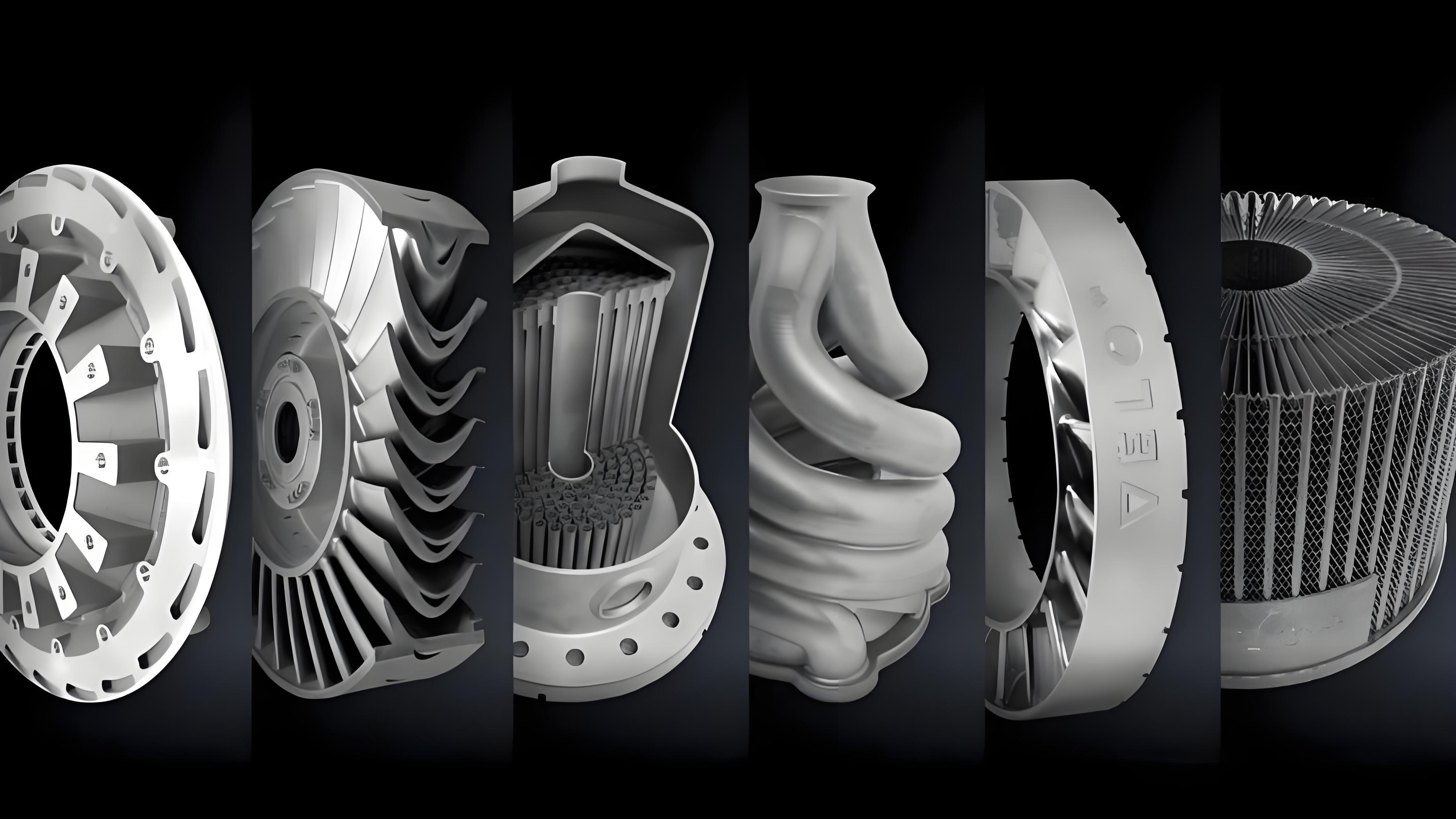
Commercial space programs use metal additive manufacturing when propulsion hardware, structural brackets, and thermal components need to be lighter, faster to iterate, and less dependent on multi-part assembly. Integrated geometry and fewer joined parts can support faster development cycles.

In practice, metal printing is especially valuable for combustion parts, flow-path hardware, mounting brackets, and compact aerospace structures that benefit from part consolidation and reduced mass.

3D Printed Rocket Propulsion and Spaceflight Components

3D Printed Rocket Propulsion and Spaceflight Components

Metal AM helps commercial space teams build rocket engine parts, injector systems, brackets, and thermal hardware with complex internal features, fewer assemblies, and shorter lead times.

Metal 3D Printing for Defense Applications

Defense organizations increasingly evaluate metal additive manufacturing for sustainment, vehicle readiness, and replacement-part responsiveness. Metal AM can reduce supply delays, support harder-to-source components, and move selected production closer to the point of need.

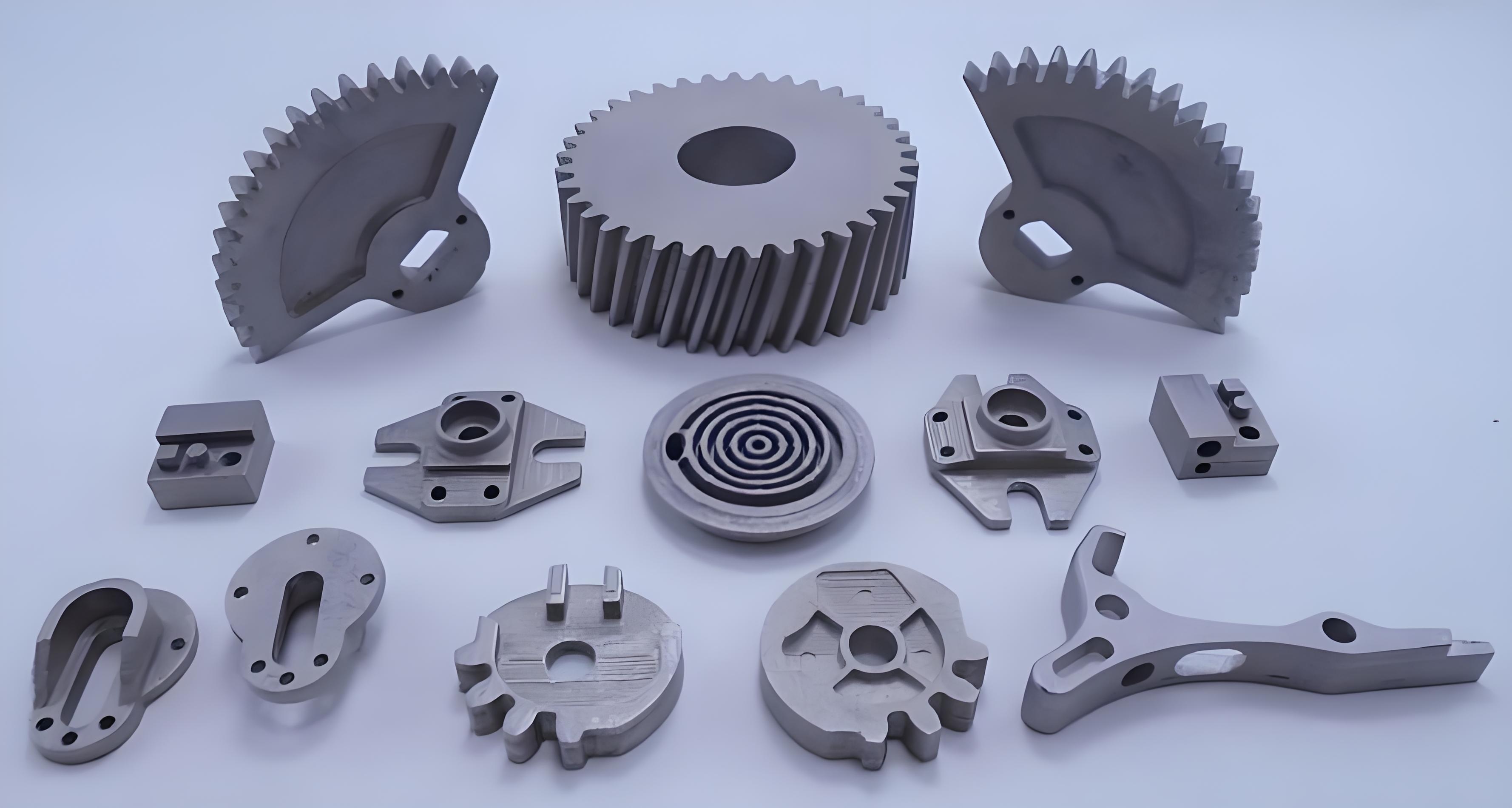
The strongest fit is often low-volume, high-complexity hardware such as brackets, mounts, structural connectors, fluid-path parts, and maintenance-critical components. When conventional tooling or casting lead times are too slow, metal printing can help defense programs improve readiness while keeping geometry changes more flexible during qualification.

Additively Manufactured Defense Vehicle and Sustainment Parts

Additively Manufactured Defense Vehicle and Sustainment Parts

Metal printing supports defense maintenance programs with lower-volume replacement parts, structural components, and geometry-rich hardware that benefits from shorter sourcing cycles and digital inventory workflows.

Metal 3D Printing for Automotive

Automotive manufacturers and performance programs use metal additive manufacturing to reduce weight, combine functions, and accelerate iteration for parts that would otherwise require multiple machining or casting steps.

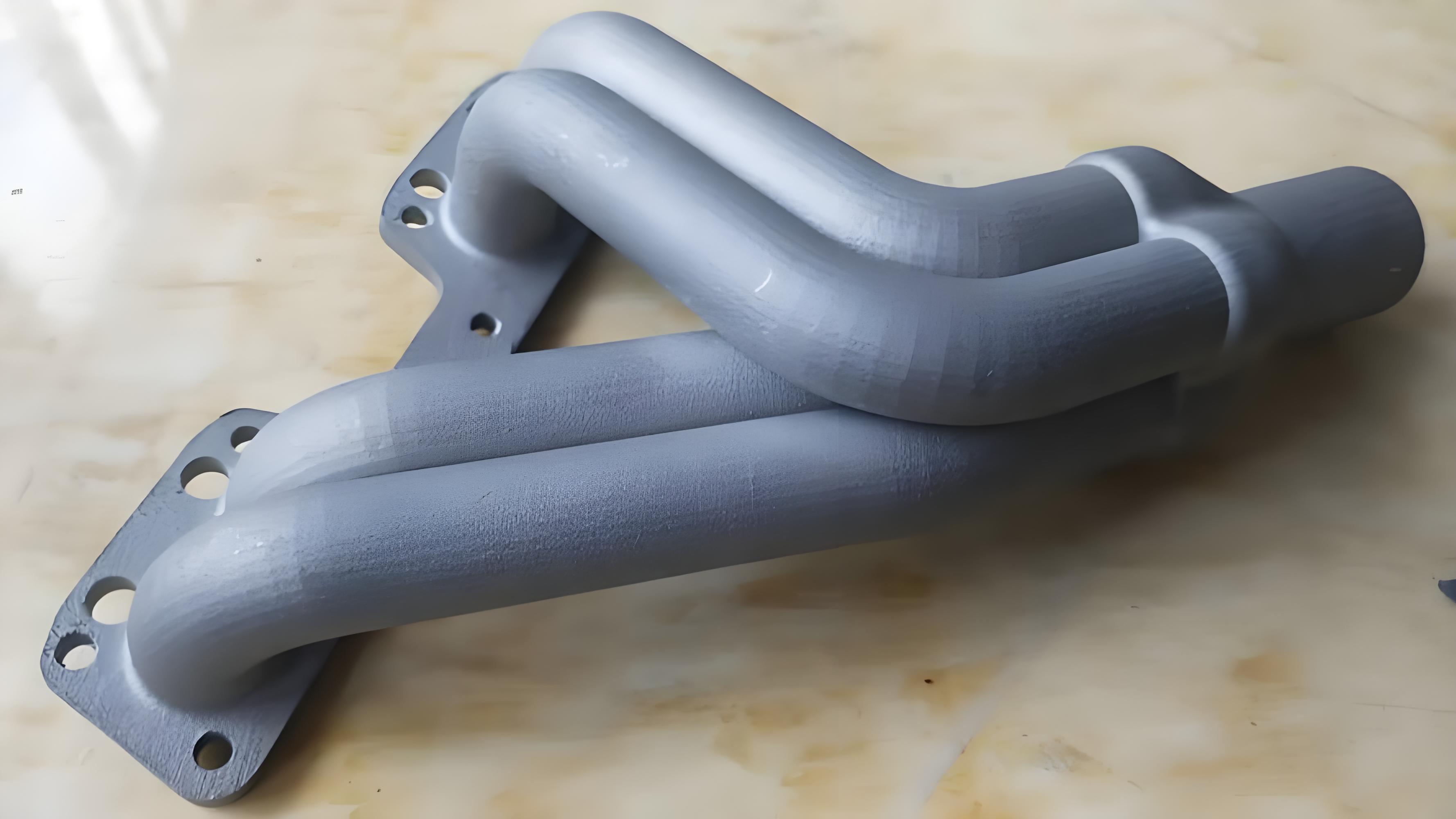
This makes metal AM a strong option for motorsport, e-mobility, powertrain cooling, tooling inserts, and lower-volume spare parts. The process is especially valuable when teams need internal channels, compact packaging, lightweight structures, or production flexibility before committing to full-scale tooling.

3D Printed Automotive Powertrain and Lightweight Parts

3D Printed Automotive Powertrain and Lightweight Parts

From performance pistons and e-drive housings to cooling components and low-volume replacement parts, metal AM helps automotive teams improve packaging, reduce mass, and move faster through validation.


Propulsion and Satellite Hardware

Metal 3D printing enables combustion components, injector assemblies, brackets, and thermal-control hardware with consolidated geometry and reduced lead time for commercial space programs.

Defense Sustainment and Vehicle Readiness

Military programs use metal additive manufacturing to reduce spare-part bottlenecks, support repair planning, and produce geometries that would otherwise require slower legacy tooling or castings.

Lightweight Automotive Performance Parts

Automotive teams apply metal 3D printing to powertrain housings, thermal parts, motorsport components, and low-volume service parts where weight, integration, and fast iteration matter.

Ready to Review a Metal 3D Printing Project?

Share your alloy targets, application needs, and CAD data. We will help you compare metal printing options against part performance, post-processing, and production intent.