New arrow_forward

Applications of 3D Printing in Electronics and Consumer Appliances

In traditional manufacturing, mold investment and development account for a large share of costs. The rise of 3D printing for electronics and home appliances provides a more efficient production path for the consumer appliance industry. With 3D appliance models, R&D engineers can quickly turn computer-designed 3D data into physical parts, making the process up to ten times faster than conventional methods.

3D printing is mainly used during product development for prototype sampling, including appearance verification, assembly verification, and small-batch production. It reduces tooling costs across manufacturing, shortens development time, and accelerates new product launches. As material performance improves and 3D printing processes mature, the technology will be used more widely for end-use appliance components and will continue moving toward scaled product manufacturing.

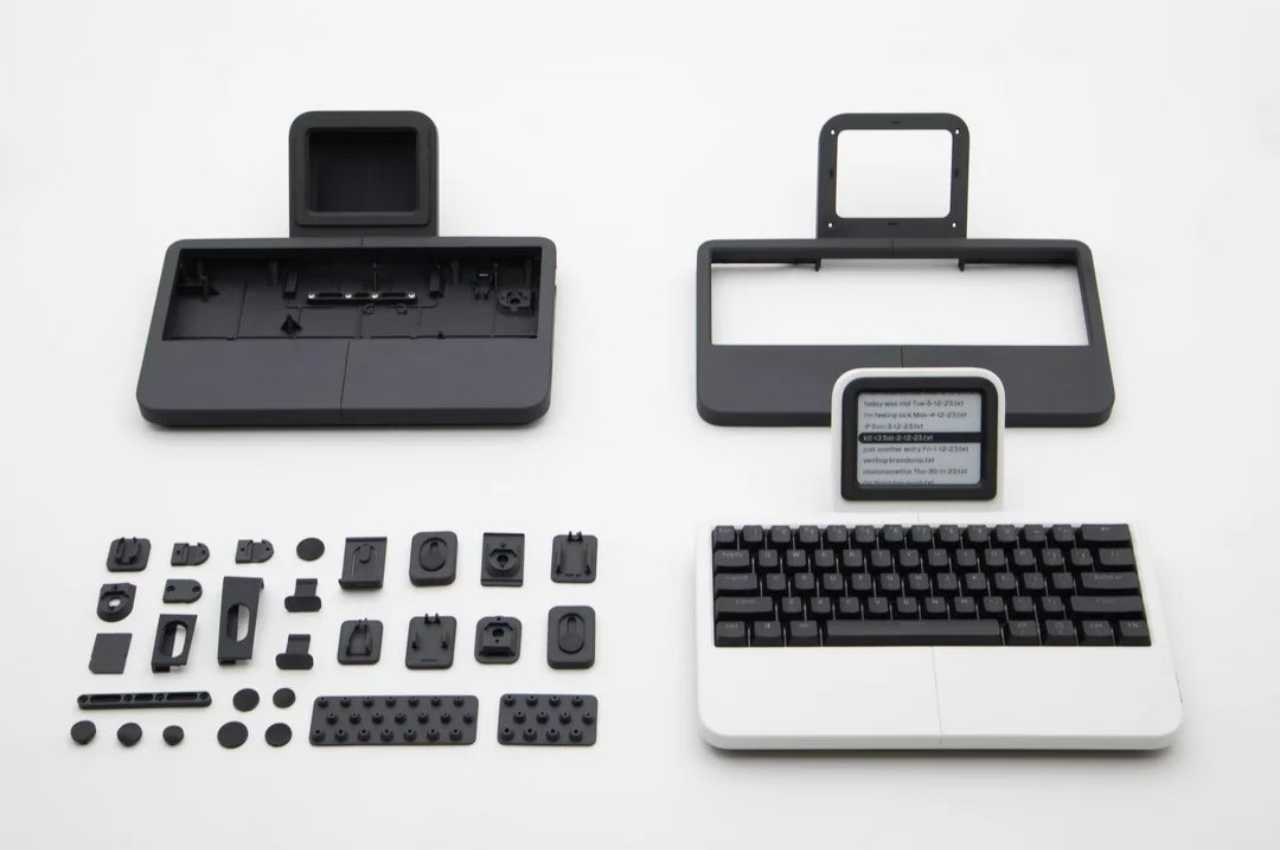
3D Printed Mobile Phone Accessories

3D Printed Mobile Phone Accessories

3D printing is closely connected with electronic products. It can help you build new relationships with customers while making it easy to produce small series, limited editions, and spare parts in low volumes.

3D Printing for Designer Toys and Animation Collectibles

Designer toys, figurines, animation collectibles, and model kits benefit from 3D printing because concept teams can move from digital sculpting to physical review without waiting for hard tooling. Artists and product developers can iterate shapes, poses, accessories, and surface details quickly while preserving the character language of the original design.

For low-volume launches, limited editions, and proof-of-concept production, resin printing is especially effective. It supports sharp edges, layered costume details, expressive textures, and paint-ready surfaces, making it well suited to toy collectibles, garage kits, display props, and animation merchandising programs.

3D Printed Trend Toys and Character Figures

3D Printed Trend Toys and Character Figures

High-detail additive manufacturing helps brands and studios validate collectible designs, produce paint masters, and release short-run figures with strong surface definition and faster turnaround.

3D Printing for Household Appliances

Household appliance teams use 3D printing to accelerate enclosure studies, ergonomics testing, airflow component development, and internal assembly validation before investing in production tooling. This shortens project cycles for products such as kitchen appliances, cleaning equipment, and smart home devices.

The process is also valuable for replacement components, maintenance parts, and small-batch accessory programs. Appliance manufacturers can test design variants faster, reduce tooling risk, and support after-sales service with more flexible low-volume manufacturing options.

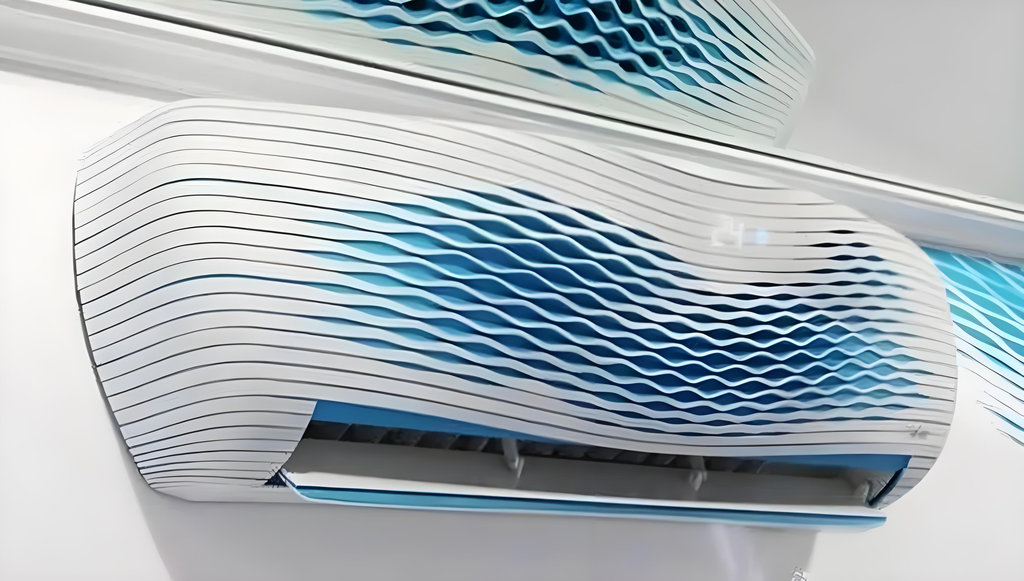
3D Printed Appliance Housings and Functional Parts

3D Printed Appliance Housings and Functional Parts

From housing prototypes to brackets, ducts, handles, and fit-check components, 3D printing helps appliance programs improve speed, reduce risk, and evaluate product performance earlier.


Appearance Verification Prototypes

Use 3D printing to create visual models for industrial design reviews, color and finish studies, and early customer-facing prototype evaluation before tooling is committed.

Assembly Validation and Fit Checks

Engineers can quickly test enclosure geometry, mating parts, button layouts, and internal packaging so design issues are discovered earlier and corrected faster.

Low-Volume Accessories and Spare Parts

3D printing supports short runs of accessories, limited editions, and replacement parts, making it practical to serve niche demand without the delay and cost of conventional molds.

Ready to Review an SLA Equipment Project?

Upload your CAD file or share your target build size, material needs, and throughput goals. We will help you match the right resin equipment workflow to your prototype or production plan.