
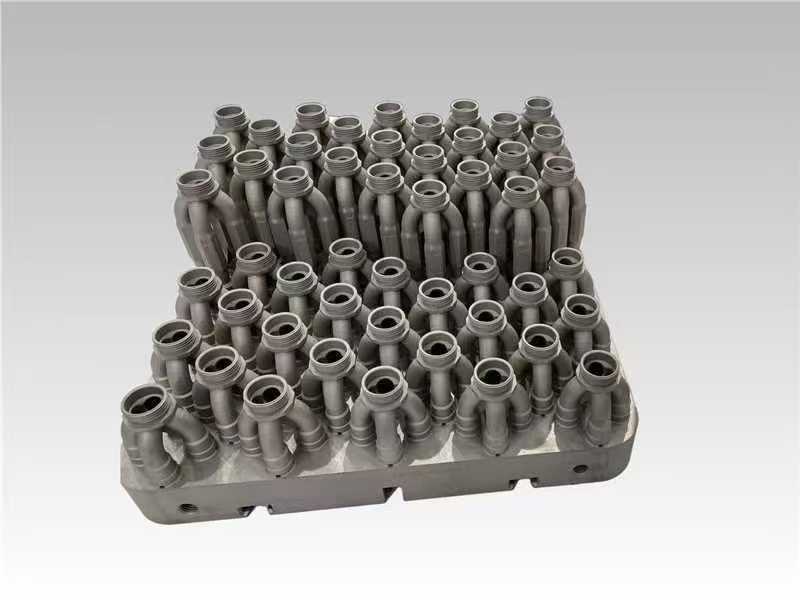
Stainless Steel Alloys
Stainless steel powders are frequently chosen for corrosion resistance, balanced strength, and prototypes or functional parts that need dependable mechanical performance.
Metal additive systems support a broad material set across aluminum, stainless steel, titanium, nickel alloys, copper, cobalt chrome, tool steel, and other engineering alloys.
Stainless steel powders are frequently chosen for corrosion resistance, balanced strength, and prototypes or functional parts that need dependable mechanical performance.
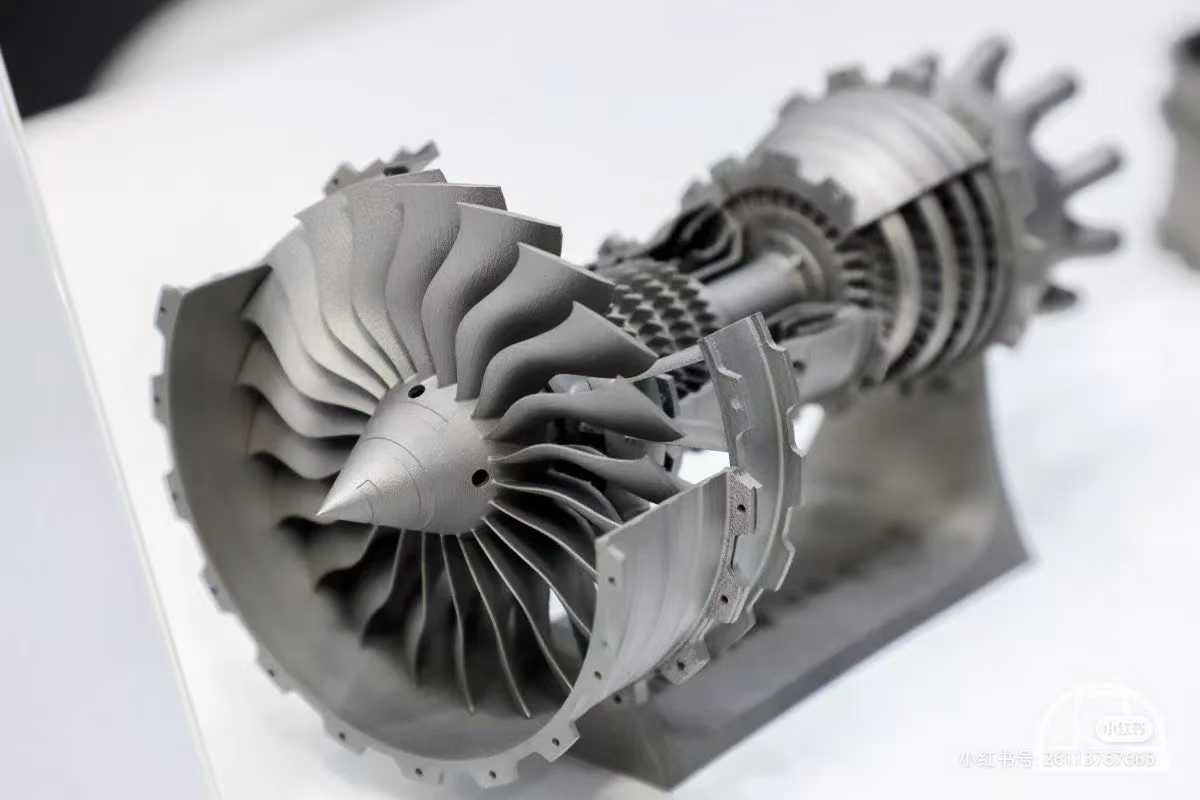
Aluminum options are often evaluated for lightweight structural components, thermal use cases, and geometry-rich designs where mass reduction is important.
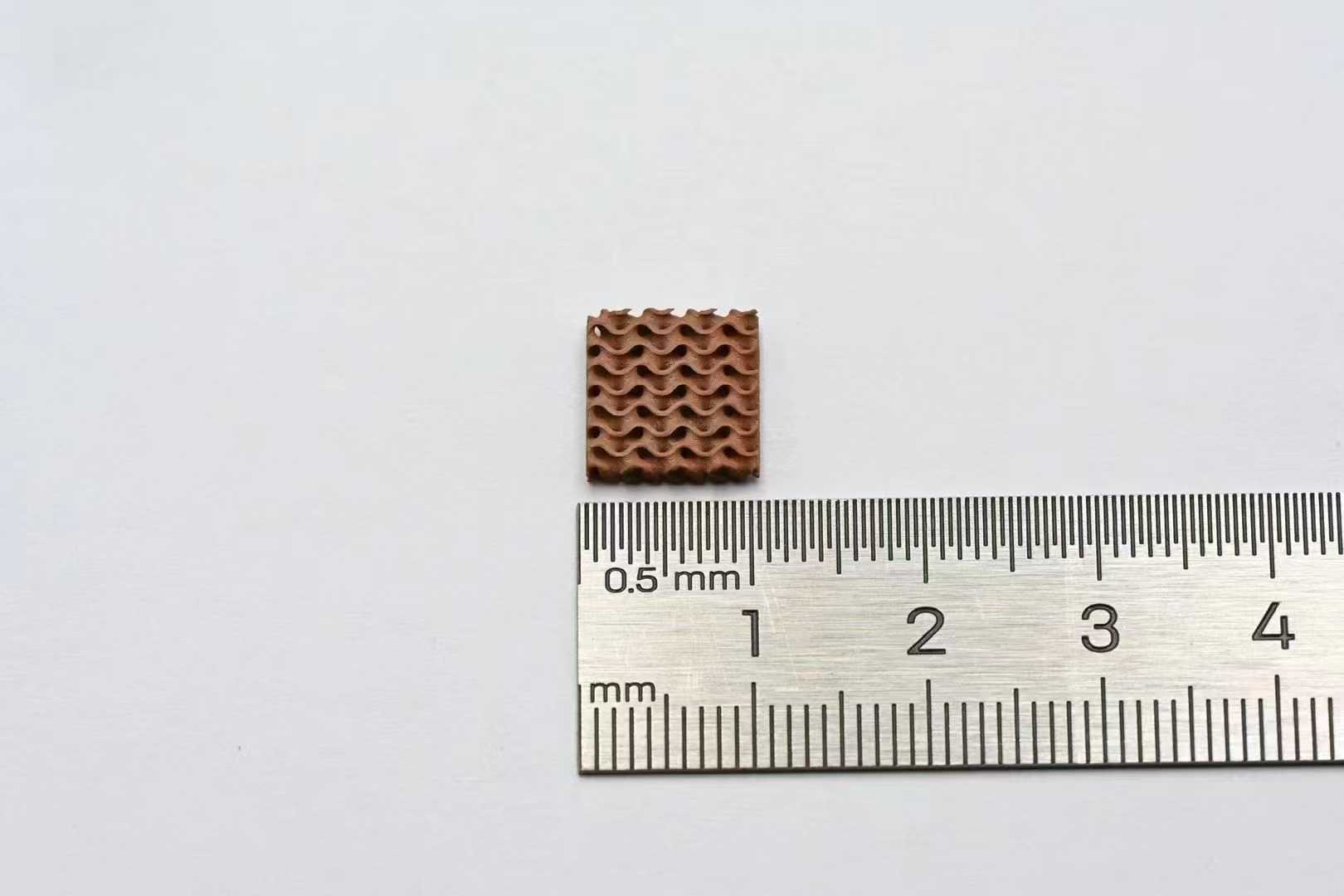
Titanium alloys are well suited to high strength-to-weight needs, corrosion resistance, and specialized aerospace, medical, or performance-driven prototypes.
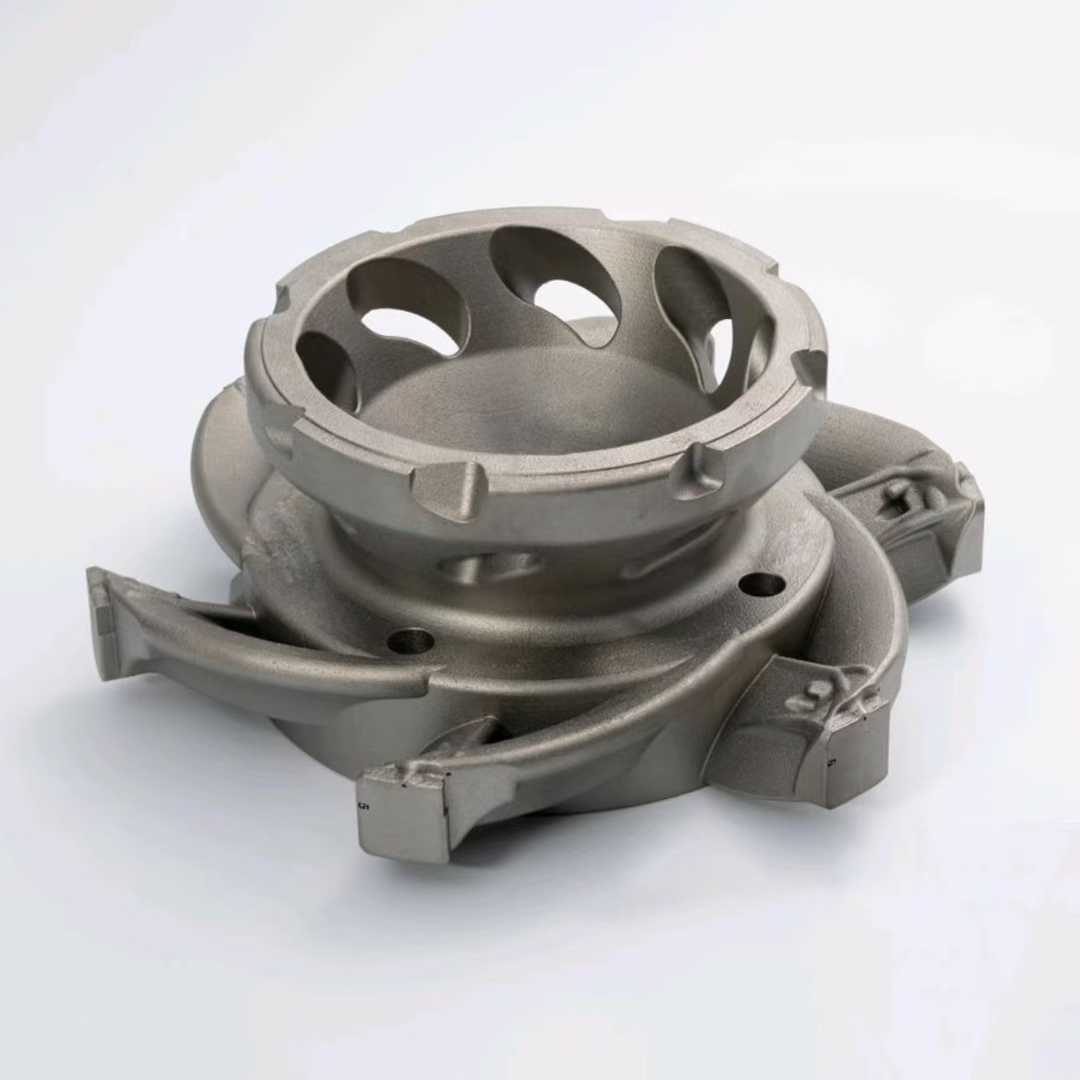
Nickel and copper material families help support heat, conductivity, and demanding operating environments where conventional fabrication may limit geometry.
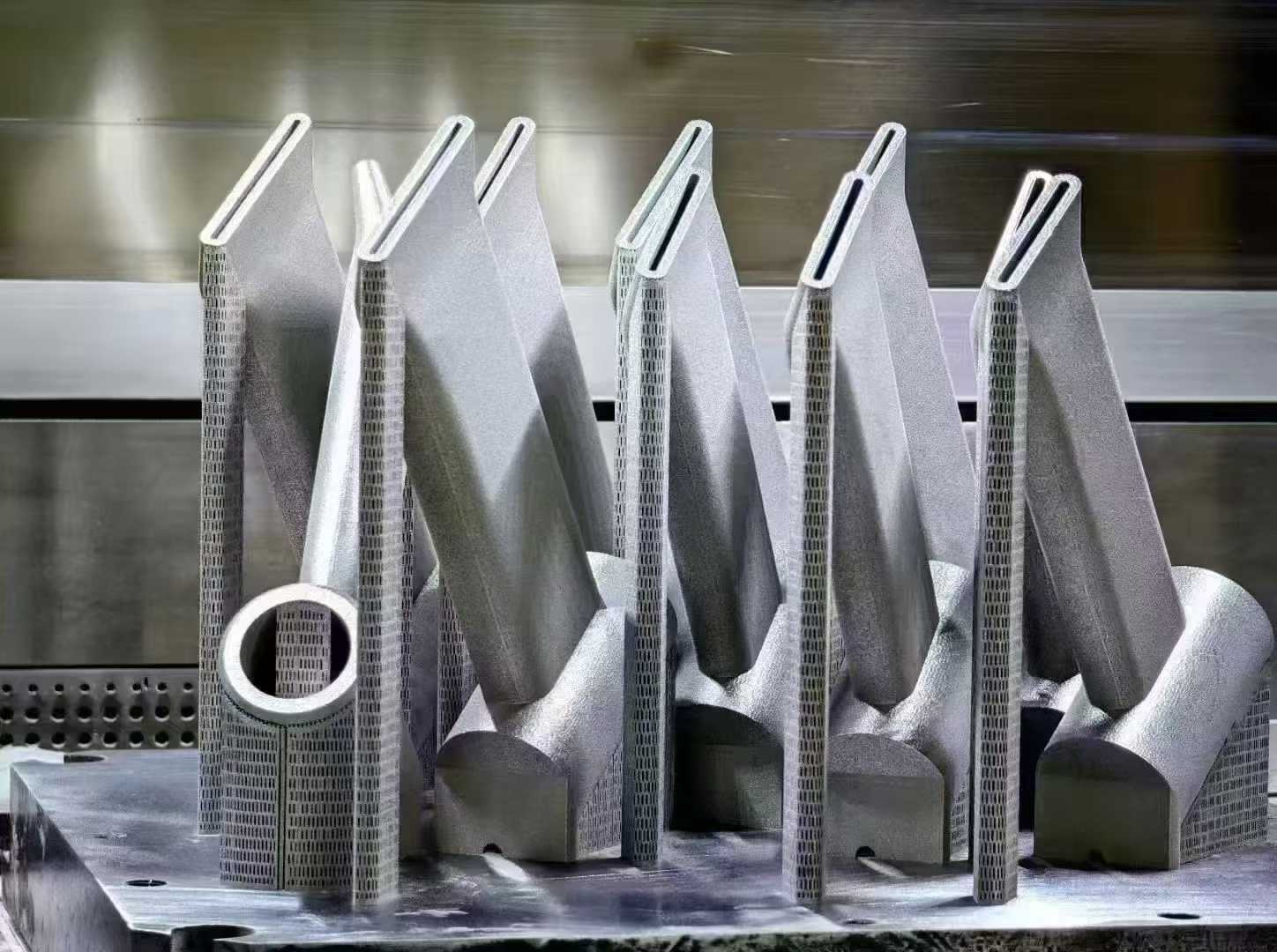
Tool-steel and maraging grades are commonly reviewed for inserts, fixtures, and hard-use components that benefit from high strength and post-processing flexibility.
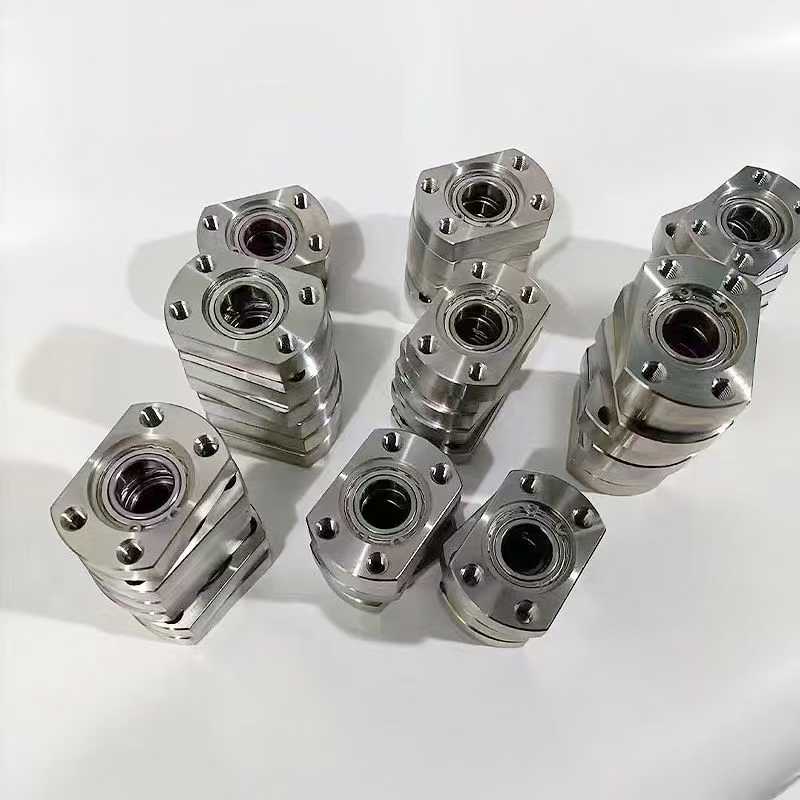
Cobalt chrome is typically considered when wear resistance, high-temperature capability, and application-specific material behavior are critical to part success.

Material selection should reflect the part's job first: thermal transfer, load path, corrosion exposure, certified use, or consolidation of complex assemblies.
Common metal additive material families include stainless steels, aluminum alloys, titanium grades, nickel alloys, copper alloys, cobalt chrome, and tool steels.
Material selection affects strength, heat performance, corrosion resistance, conductivity, fatigue behavior, and how much machining or heat treatment is needed after the build.
Start from application demands such as thermal transfer, structural load, corrosion exposure, or biomedical needs. Then balance design freedom against post-processing, certification, and production repeatability.
Share your alloy targets, application needs, and CAD data. We will help you compare metal printing material options against part performance, post-processing, and production intent.